The history of the Urdu community in Karachi, Pakistan, is marked by various conflicts that have shaped the dynamics of the city over the years. The Urdu-speaking population, also known as Mohajirs, migrated to Karachi following the partition of India in 1947. This migration was a result of the communal violence that erupted during the partition, leading many Urdu-speaking Muslims to seek refuge in the newly formed country of Pakistan.
Category : |
Sub Category : Posted on 2024-10-05 22:25:23
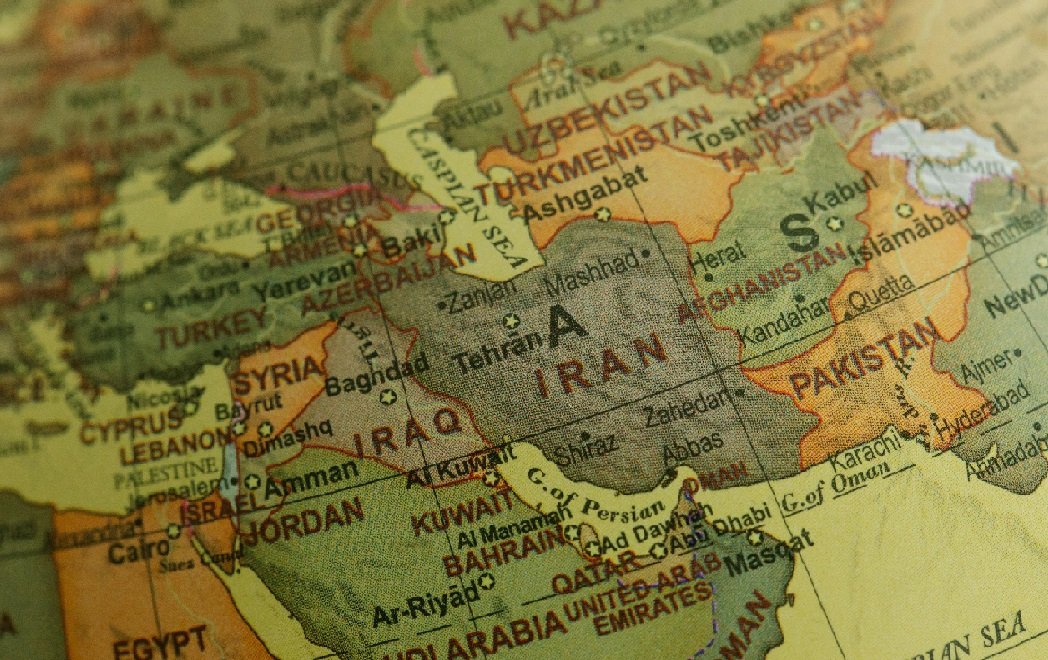
However, tensions soon emerged between the Mohajir community and the local Sindhi population in Karachi. The Sindhis, who are native to the Sindh province where Karachi is located, viewed the influx of Urdu-speaking migrants as a threat to their cultural and political dominance in the region. This led to a sense of alienation and marginalization among the Mohajirs, who felt discriminated against and excluded from mainstream society. One of the major sources of conflict between the Urdu community and other ethnic groups in Karachi has been the issue of political representation. The Mohajirs have long felt marginalized in the political arena, with many claiming that they have been denied their fair share of power and resources in the city. This has led to the rise of ethno-political movements such as the Muttahida Qaumi Movement (MQM), which emerged in the 1980s to advocate for the rights of the Urdu-speaking population in Karachi. The MQM's attempts to challenge the established political order in Karachi have often been met with resistance from other ethnic and political groups, leading to violent clashes and unrest in the city. The party's founder, Altaf Hussain, has been a controversial figure, with his fiery speeches and calls for Mohajir rights often polarizing public opinion. In recent years, efforts have been made to address the grievances of the Urdu community in Karachi and promote greater inter-ethnic harmony in the city. The local government has implemented policies aimed at improving the socio-economic conditions of marginalized communities, including the Mohajirs. Additionally, there have been initiatives to promote dialogue and reconciliation between different ethnic groups in Karachi. Despite these efforts, tensions between the Urdu community and other ethnic groups in Karachi continue to simmer beneath the surface. The city remains a melting pot of diverse cultures and identities, where historical conflicts and animosities linger, shaping the social and political landscape of Karachi. Moving forward, it is crucial for all stakeholders to work towards fostering greater understanding and cooperation among Karachi's various communities to build a more inclusive and harmonious city for all its residents.


