**Exploring State-Paid Programs in Karachi, Pakistan**
Category : |
Sub Category : Posted on 2024-10-05 22:25:23
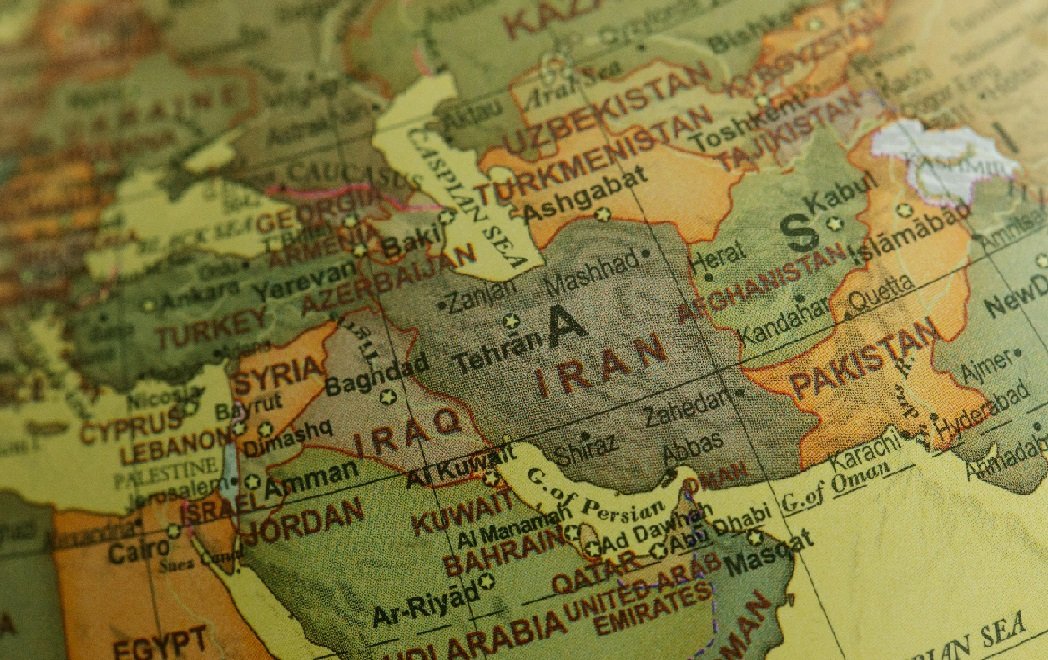
Karachi, the bustling metropolis and economic hub of Pakistan, is home to a diverse population with varying needs and challenges. To address the welfare of its citizens, the government has implemented several state-paid programs aimed at providing assistance and support to vulnerable groups in the society. One of the key state-paid programs in Karachi is the Benazir Income Support Program (BISP). This initiative, named after the former Prime Minister Benazir Bhutto, aims to provide cash assistance to low-income families across the country, including those residing in Karachi. Through targeted financial support, the program seeks to alleviate poverty and improve the socio-economic conditions of marginalized communities. Another significant program in Karachi is the Ehsaas program, a comprehensive poverty alleviation initiative launched by the government of Pakistan. Ehsaas encompasses various interventions, including cash transfer programs, scholarships, interest-free loans, and healthcare services. In Karachi, Ehsaas initiatives play a crucial role in supporting vulnerable populations and ensuring their access to essential resources. In addition to these national programs, the Sindh government also operates a range of state-paid programs in Karachi. These initiatives cover areas such as healthcare, education, social welfare, and infrastructure development. By investing in these programs, the government aims to uplift communities, improve living standards, and promote inclusive growth across the city. Furthermore, the local government in Karachi collaborates with non-profit organizations and civil society groups to implement welfare programs for disadvantaged groups. Through these partnerships, initiatives such as food distribution drives, vocational training programs, and healthcare clinics are established to cater to the specific needs of vulnerable communities in the city. It is essential for the government to continue investing in and expanding state-paid programs in Karachi to address the multifaceted challenges faced by its residents. By ensuring the effective implementation of these initiatives and promoting transparency and accountability, authorities can create a more equitable and prosperous society for all citizens. In conclusion, state-paid programs in Karachi, Pakistan, play a crucial role in providing support and assistance to marginalized communities. Through targeted interventions and holistic approaches, these initiatives contribute to poverty alleviation, social welfare, and sustainable development in the city. Moving forward, it is imperative for the government to prioritize the expansion and enhancement of these programs to create a more inclusive and equitable society for all residents of Karachi. Looking for more information? Check out https://www.hochladen.org


